Friday, August 21, 2026

How to Choose a Crypto Wallet Without Overcomplicating It

Crypto Basics DailyWallets, security and cutting through the hype
Free — takes 60 seconds
SocialGood - Crypto Rewards for Shopping - CPS (US) {Mobile}
Check availability in your area →
How to Choose a Crypto Wallet Without Overcomplicating It
What you need to know
  • Buying and selling often: A user-friendly custodial platform may be easier to manage
  • Sending small amounts: A simple hot wallet can offer speed and convenience
  • Holding for the long term: A cold wallet can provide a stronger separation from everyday internet risks

If you’re new to crypto, the word wallet can sound more complicated than it is. A crypto wallet doesn’t store coins the way a physical wallet stores cash. Instead, it stores the keys that let you access and move your crypto on the blockchain.

Choosing the right one comes down to how much convenience you want, how much control you want, and how you plan to use your crypto day to day.

→ SocialGood - Crypto Rewards for Shopping - CPS (US) {Mobile} — free, takes about 60 seconds.

The best wallet for one person may be the wrong choice for another. A frequent trader, a long-term holder, and someone who only wants to send a small amount to a friend may each need something different.

Here’s how to narrow it down without getting lost in jargon.

Start with the two biggest decisions

Before comparing apps or devices, decide whether you want a custodial or noncustodial wallet, and whether you want a hot or cold wallet.

Custodial vs. noncustodial

See what you qualify for
Free to check and it will not affect anything on your end.
SocialGood - Crypto Rewards for Shopping - CPS (US) {Mobile} →

We go deeper on this in our crypto guide — worth a read before you decide anything.

With a custodial wallet , a company holds the private keys for you. That can feel easier because account recovery and logins often resemble familiar online banking or investing apps. The tradeoff is that you’re trusting a third party to safeguard your assets.

With a noncustodial wallet , you control the private keys yourself. That gives you more control and reduces reliance on a platform, but it also means you’re responsible for backup, recovery, and security.

→ See what you could be approved for — free, takes about 60 seconds.

Hot vs. cold

Hot wallets are connected to the internet. They’re usually apps or browser extensions and are convenient for frequent transactions.

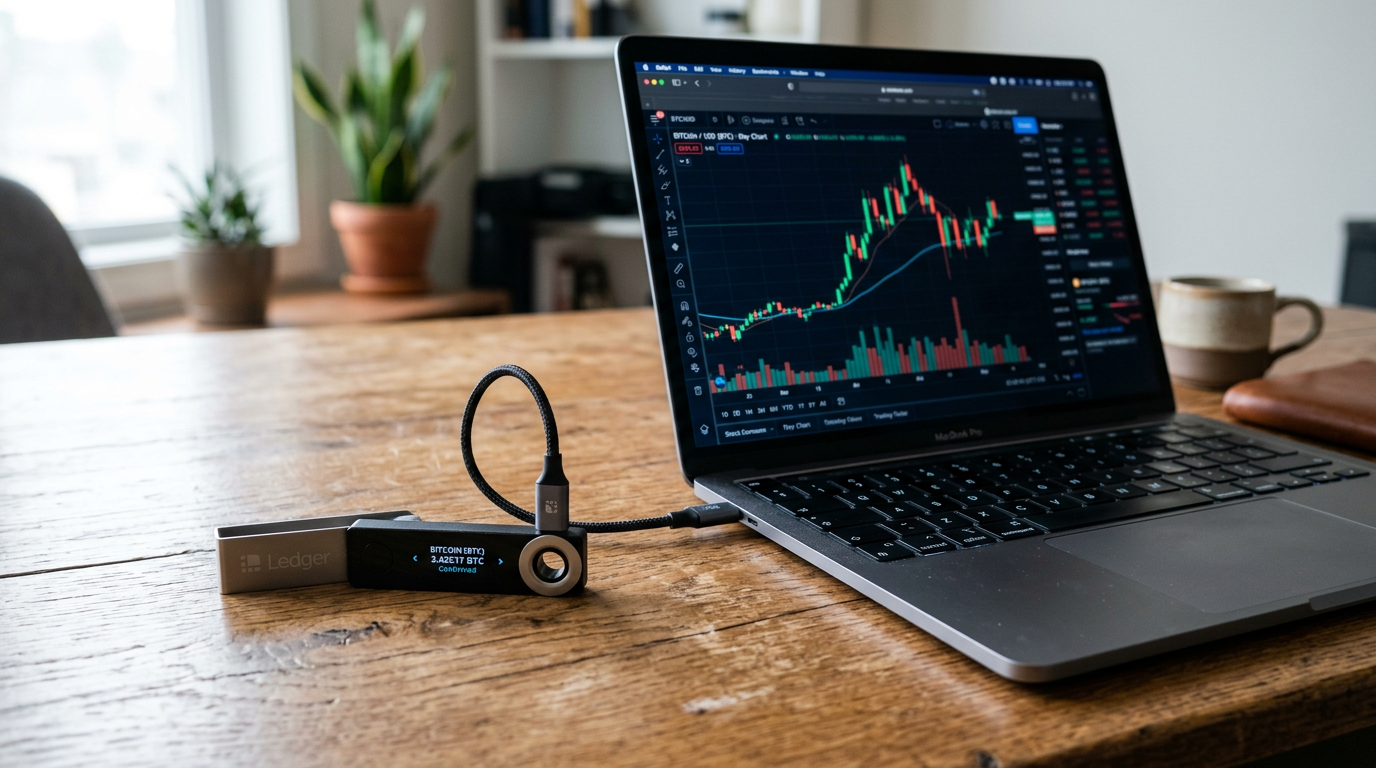
Cold wallets are kept offline, often in the form of a hardware device, and are generally better for storing larger amounts you don’t plan to move often.

For many people, the practical answer is not either/or. A hot wallet may work well for spending or active use, while a cold wallet may make more sense for longer-term storage.
How to Choose a Crypto Wallet Without Overcomplicating It
Free 5-page PDF · no charge

The Debt Payoff Worksheet That Actually Gets Used

One page, four columns, and the order of operations that decides whether a payoff plan finishes or fizzles.

  • The four columns — and why most trackers have too many
  • Snowball vs. avalanche, settled honestly
  • The step before either method that most people skip

Download the free guide

Printable. Nothing to buy to read it.

Sources & further reading

This article is for general information only and is not professional financial, legal, or medical advice.

DW

Dana Whitfield — Personal Finance Editor

Dana has spent more than a decade writing about consumer debt, credit, and everyday money decisions, translating dense policy and lender fine print into plain-English steps readers can actually use. Every figure here is checked against current federal and lender guidance.

✓ Reviewed for accuracy by Marcus Reed, Accredited Financial Counselor · Updated August 2026

Check your options free
Takes under a minute. No cost to look.
SocialGood - Crypto Rewards for Shopping - CPS (US) {Mobile} →

Thursday, August 20, 2026

How to Choose a Crypto Wallet for Everyday Use

Crypto Basics DailyWallets, security and cutting through the hype
Free — takes 60 seconds
SocialGood - Crypto Rewards for Shopping - CPS (US) {Mobile}
Check availability in your area →
How to Choose a Crypto Wallet for Everyday Use
What you need to know
  • Frequent transactions: Look for fast app access, clear fee estimates, and simple send/receive tools
  • Long-term storage: Focus on security, recovery options, and whether you want your keys offline
  • DeFi or NFT use: Make sure the wallet works with the networks and apps you use most

If you own crypto, choosing a wallet is less about finding the “best” one and more about finding the one that fits your habits. Some people want quick access for trading, others want stronger security for long-term holding, and many need a little of both.

The right choice usually comes down to how often you move funds, how much control you want, and how comfortable you are managing your own backup process.

→ SocialGood - Crypto Rewards for Shopping - CPS (US) {Mobile} — free, takes about 60 seconds.

S. readers, one important distinction is whether the wallet is custodial or self-custody . A custodial wallet is managed by a company, while a self-custody wallet puts you in charge of your private keys.

Neither is automatically better in every case, but they solve different problems. Before you pick one, it helps to understand the trade-offs.

Start with how you plan to use crypto

The best wallet for an active trader is not necessarily the best wallet for someone buying and holding for years. Start by asking what you need the wallet to do day to day.

  • Frequent transactions: Look for fast app access, clear fee estimates, and simple send/receive tools.
  • Long-term storage: Focus on security, recovery options, and whether you want your keys offline.
  • DeFi or NFT use: Make sure the wallet works with the networks and apps you use most.
  • Mobile convenience: If you mostly manage crypto on your phone, choose an app with a clean interface and strong device security.
See what you qualify for
Free to check and it will not affect anything on your end.
SocialGood - Crypto Rewards for Shopping - CPS (US) {Mobile} →

If your answer is “a little of everything,” you may need two wallets: one for everyday use and one for storage. That approach can reduce the risk of keeping all of your assets in one place.

Custodial vs. self-custody: know the difference

→ See what you could be approved for — free, takes about 60 seconds.

This is one of the most important choices in crypto wallet shopping. With a custodial wallet, a platform holds the keys for you. That can make logging in and recovering access easier, but it also means you rely on the platform’s security and policies.

With a self-custody wallet, you control the keys. That gives you more independence, but it also means you are responsible for protecting your recovery phrase and avoiding mistakes like sending funds to the wrong address.

If you lose access to your recovery information, you may lose access to the wallet.

For many people, the deciding factor is not ideology. It is confidence. If you are likely to forget a backup step or need frequent customer help, a custodial option may feel more practical.

How to Choose a Crypto Wallet for Everyday Use
Free 5-page PDF · no charge

The Debt Payoff Worksheet That Actually Gets Used

One page, four columns, and the order of operations that decides whether a payoff plan finishes or fizzles.

  • The four columns — and why most trackers have too many
  • Snowball vs. avalanche, settled honestly
  • The step before either method that most people skip

Download the free guide

Printable. Nothing to buy to read it.

Check your options free
Takes under a minute. No cost to look.
SocialGood - Crypto Rewards for Shopping - CPS (US) {Mobile} →

Wednesday, August 19, 2026

How to Choose a Crypto Exchange for Everyday Use

Crypto Basics DailyWallets, security and cutting through the hype
Free — takes 60 seconds
SocialGood - Crypto Rewards for Shopping - CPS (US) {Mobile}
Check availability in your area →
How to Choose a Crypto Exchange for Everyday Use
What you need to know
  • Do I want to buy and hold, or trade more often?
  • Do I want a mobile app that’s easy to use, or a platform with more features?
  • Will I need access to many cryptocurrencies, or just a few major ones?

If you’re looking for a crypto exchange, the hardest part is often not opening an account — it’s deciding which platform actually fits how you plan to use crypto. Some exchanges are built for beginners who want a simple buy-and-sell experience.

Others prioritize advanced trading tools, lower costs for high-volume users, or access to a wider set of coins. The right choice depends on what you want to do, how often you’ll trade, and how much control you want over your assets.

→ SocialGood - Crypto Rewards for Shopping - CPS (US) {Mobile} — free, takes about 60 seconds.

Before you compare platforms, it helps to separate marketing language from practical features. A good exchange should make it easy to move money in and out, understand your costs, and manage risk.

It should also give you confidence that your account is protected if something goes wrong.

Start with your actual use case

Not every crypto buyer needs the same type of exchange. If you only plan to buy a small amount of bitcoin or ethereum occasionally, simplicity may matter more than advanced order types.

If you want to trade more actively, you may care more about charting tools, order books, and lower trading fees.

Ask yourself a few basic questions:

See what you qualify for
Free to check and it will not affect anything on your end.
SocialGood - Crypto Rewards for Shopping - CPS (US) {Mobile} →
  • Do I want to buy and hold, or trade more often?
  • Do I want a mobile app that’s easy to use, or a platform with more features?
  • Will I need access to many cryptocurrencies, or just a few major ones?
  • Do I care about staking, recurring buys, or other built-in features?

Your answers can quickly narrow the field. A beginner-friendly app can be a better fit than a more complex platform if your goal is simply to get started and stay organized.

→ See what you could be approved for — free, takes about 60 seconds.

Compare the real costs, not just the headline fee

Crypto exchanges often advertise low trading fees, but that’s only one part of the total cost.

Depending on the platform, you may also encounter spreads, deposit and withdrawal charges, network fees, or higher costs when you use a simple “buy now” interface instead of a more advanced trading screen.

When you compare exchanges, look for the following:

  • Trading fees: What do you pay when you buy or sell?
  • Spread: How much extra cost is built into the quoted price?
  • Deposit options: Can you fund your account by bank transfer, debit card, or other methods?
  • Withdrawal fees: What does it cost to move cash or crypto out of the platform?
How to Choose a Crypto Exchange for Everyday Use
Free 6-page PDF · no charge

The AI Side-Hustle Starter Kit

Pick one lane, let AI do the heavy lifting, and get your first sale — the honest starter map, minus the guru hype.

  • The six real work-from-home lanes — and how to pick ONE
  • Where AI actually saves you hours (and where it does not)
  • The first-sale checklist that beats "more research"

Download the free guide

Printable. Nothing to buy to read it.

Check your options free
Takes under a minute. No cost to look.
SocialGood - Crypto Rewards for Shopping - CPS (US) {Mobile} →

Tuesday, August 18, 2026

How to Choose a Crypto Wallet for Everyday Use

Crypto Basics DailyWallets, security and cutting through the hype
Free — takes 60 seconds
SocialGood - Crypto Rewards for Shopping - CPS (US) {Mobile}
Check availability in your area →
How to Choose a Crypto Wallet for Everyday Use
What you need to know
  • For beginners: A simple software wallet with a clear interface may be the easiest place to start
  • For frequent users: Look for quick access, support for multiple networks, and a smooth mobile experience
  • For long-term holders: Consider a wallet that gives you stronger self-custody controls, including offline storage options

, choosing a wallet is one of the most important decisions you can make.

The right wallet depends less on hype and more on how often you plan to use your crypto, how much you want to manage yourself, and how comfortable you are with security steps like backing up a recovery phrase.

→ SocialGood - Crypto Rewards for Shopping - CPS (US) {Mobile} — free, takes about 60 seconds.

In simple terms, a crypto wallet is the tool you use to access and move your digital assets. Some wallets are built for quick, everyday transactions. Others are designed to keep assets offline for stronger security.

Before you pick one, it helps to understand the tradeoffs.

Start with your main use case

The best wallet for you is the one that fits your habits. A person who buys crypto occasionally and leaves it alone has different needs from someone who sends tokens often, uses decentralized apps, or plans to store a larger balance for the long term.

See what you qualify for
Free to check and it will not affect anything on your end.
SocialGood - Crypto Rewards for Shopping - CPS (US) {Mobile} →
  • For beginners: A simple software wallet with a clear interface may be the easiest place to start.
  • For frequent users: Look for quick access, support for multiple networks, and a smooth mobile experience.
  • For long-term holders: Consider a wallet that gives you stronger self-custody controls, including offline storage options.
  • For active traders: Convenience matters, but so does the ability to move assets quickly without confusing steps.

Ask yourself a basic question: will you use this wallet mainly to hold, send, receive, or interact with apps? That answer narrows the field fast.

→ See what you could be approved for — free, takes about 60 seconds.

Understand the main wallet types

Crypto wallets are often grouped into two broad categories: software wallets and hardware wallets. Both can be useful, but they serve different purposes.

Software wallets

These wallets run on your phone, browser, or desktop. They are generally easier to set up and use, which makes them appealing to new crypto users. Because they stay connected to the internet, they are usually more convenient for sending funds or making frequent transactions.

How to Choose a Crypto Wallet for Everyday Use
Free 5-page PDF · no charge

The Debt Payoff Worksheet That Actually Gets Used

One page, four columns, and the order of operations that decides whether a payoff plan finishes or fizzles.

  • The four columns — and why most trackers have too many
  • Snowball vs. avalanche, settled honestly
  • The step before either method that most people skip

Download the free guide

Printable. Nothing to buy to read it.

Check your options free
Takes under a minute. No cost to look.
SocialGood - Crypto Rewards for Shopping - CPS (US) {Mobile} →

Monday, August 17, 2026

How to Spot a Crypto Scam Before You Click

Crypto Basics DailyWallets, security and cutting through the hype
Free — takes 60 seconds
SocialGood - Crypto Rewards for Shopping - CPS (US) {Mobile}
Check availability in your area →
How to Spot a Crypto Scam Before You Click
What you need to know
  • Before you connect your crypto wallet, ask this: if this offer is real, why are they rushing you to act right now?
  • Scam sites and DMs push urgency—"limited time," "last chance," or "act now
  • " Legit projects don’t need to trap you into a fast decision

HOOK

Before you connect your crypto wallet, ask this: if this offer is real, why are they rushing you to act right now?

→ SocialGood - Crypto Rewards for Shopping - CPS (US) {Mobile} — free, takes about 60 seconds.

[Quick cuts: fake giveaway post, wallet connect popup, warning icon]

KEY POINT 1

First red flag: pressure. Scam sites and DMs push urgency—"limited time," "last chance," or "act now." Legit projects don’t need to trap you into a fast decision.

See what you qualify for
Free to check and it will not affect anything on your end.
SocialGood - Crypto Rewards for Shopping - CPS (US) {Mobile} →

[On-screen text: “Pressure = red flag”]

KEY POINT 2

→ See what you could be approved for — free, takes about 60 seconds.

Second: check the URL and account name. A tiny misspelling, extra word, or weird link can send you to a fake site that looks identical to the real one.

[Zoom on browser address bar; highlight misspelled domain]

How to Spot a Crypto Scam Before You Click
Free 6-page PDF · no charge

The 7-Day Clean Plate Meal Plan

One plate formula, seven days of real meals, and a grocery list you can shop in a single trip.

  • The plate formula that removes the daily decision
  • Seven days of breakfast, lunch and dinner with no exotic ingredients
  • A single-trip grocery list organized by store section

Download the free guide

Printable. Nothing to buy to read it.

Check your options free
Takes under a minute. No cost to look.
SocialGood - Crypto Rewards for Shopping - CPS (US) {Mobile} →

Sunday, August 16, 2026

How to Pick a Safe Crypto Exchange in the U.S.

Crypto Basics DailyWallets, security and cutting through the hype
Free — takes 60 seconds
SocialGood - Crypto Rewards for Shopping - CPS (US) {Mobile}
Check availability in your area →
How to Pick a Safe Crypto Exchange in the U.S.
What you need to know
  • Two-factor authentication for logins and withdrawals
  • Withdrawal allowlists that limit transfers to approved addresses
  • Device and session management so you can review where your account is signed in

If you’re buying crypto for the first time, the hardest part is often not choosing a coin — it’s choosing the place you’ll buy it. A good exchange can make it easier to fund an account, place orders, and manage your assets.

A poor fit can mean confusing fees, limited coin selection, or security tools that don’t match your needs.

→ SocialGood - Crypto Rewards for Shopping - CPS (US) {Mobile} — free, takes about 60 seconds.

This guide walks through the main things U.S. readers should compare before opening a crypto exchange account, so you can focus on the features that matter most for your situation.

Start with security and account protection

Security should be your first filter. No exchange is risk-free, but some offer stronger account protections and more transparent controls than others.

Look for a platform that explains how it stores customer assets, what security steps it uses, and what protections apply to your cash balance versus your crypto holdings.

Useful features to compare include:

  • Two-factor authentication for logins and withdrawals
  • Withdrawal allowlists that limit transfers to approved addresses
  • Device and session management so you can review where your account is signed in
  • Cold storage practices for a large share of customer assets
See what you qualify for
Free to check and it will not affect anything on your end.
SocialGood - Crypto Rewards for Shopping - CPS (US) {Mobile} →

Also check whether the exchange has a clear process for account recovery if you lose access. A platform can look polished and still be frustrating if its security tools are hard to use or difficult to find.

Compare fees the right way

→ See what you could be approved for — free, takes about 60 seconds.

Crypto exchange fees can be easy to misunderstand because they may appear in several places. A platform might advertise a low trading fee, but the total cost can still be higher once you include spreads, funding charges, or network withdrawal fees.

That’s why it helps to look beyond the headline number.

When comparing exchanges, review these fee categories:

  • Trading fees for market and limit orders
  • Spread , especially on simple buy/sell screens
  • Deposit fees for bank transfers, debit cards, or wire transfers
  • Withdrawal fees for moving cash or crypto out of the platform

It can also help to think about how you plan to use the account. If you’ll make occasional purchases and hold for the long term, one fee structure may be fine.

If you expect to trade more often, a platform with better order tools and clearer pricing may matter more than a slightly nicer app interface.

How to Pick a Safe Crypto Exchange in the U.S.
Free 5-page PDF · no charge

The Debt Payoff Worksheet That Actually Gets Used

One page, four columns, and the order of operations that decides whether a payoff plan finishes or fizzles.

  • The four columns — and why most trackers have too many
  • Snowball vs. avalanche, settled honestly
  • The step before either method that most people skip

Download the free guide

Printable. Nothing to buy to read it.

Check your options free
Takes under a minute. No cost to look.
SocialGood - Crypto Rewards for Shopping - CPS (US) {Mobile} →

Friday, August 14, 2026

How to Store Crypto Safely Without Overcomplicating It

Crypto Basics DailyWallets, security and cutting through the hype
Free — takes 60 seconds
SocialGood - Crypto Rewards for Shopping - CPS (US) {Mobile}
Check availability in your area →
How to Store Crypto Safely Without Overcomplicating It
What you need to know
  • Exchange wallet: Your crypto stays on a platform such as a trading exchange
  • Software wallet: A mobile, desktop, or browser wallet that you control
  • Hardware wallet: A physical device that keeps private keys offline

If you buy crypto and plan to hold it, one of the first practical questions is where to keep it. ” It depends on how often you trade, how much you hold, and how comfortable you are managing security yourself.

S. readers, the best approach is to match the storage method to the job: keep active trading funds accessible, keep longer-term holdings more protected, and avoid putting all your assets in one place.

→ SocialGood - Crypto Rewards for Shopping - CPS (US) {Mobile} — free, takes about 60 seconds.

Below is a plain-English guide to the main options and what each is good for.

What “storing crypto” actually means

Crypto is stored on the blockchain, but access to it is controlled by private keys. Whoever controls the keys can move the funds.

That is why wallet choice matters so much: it is less about “holding” coins and more about protecting the keys that control them.

There are three common ways everyday users store crypto:

  • Exchange wallet: Your crypto stays on a platform such as a trading exchange.
  • Software wallet: A mobile, desktop, or browser wallet that you control.
  • Hardware wallet: A physical device that keeps private keys offline.

Each option has trade-offs in convenience, control, and risk.

Exchange wallets: easiest, but least control

See what you qualify for
Free to check and it will not affect anything on your end.
SocialGood - Crypto Rewards for Shopping - CPS (US) {Mobile} →

An exchange wallet is the simplest option if you buy and sell frequently. You log in, trade, and leave funds on the platform. That convenience is the main reason many beginners start here.

The drawback is that you do not directly control the private keys. If the exchange has an outage, limits withdrawals, or suffers a security problem, you may face delays or exposure.

→ See what you could be approved for — free, takes about 60 seconds.

That does not mean every exchange is unsafe, but it does mean you are trusting a third party with custody.

Exchange storage can make sense when you:

  • Trade often and want quick access to funds
  • Plan to move crypto out later, but not immediately
  • Prefer a simpler setup over self-custody

Even then, it is wise not to leave more on an exchange than you need for near-term use.

Software wallets: a middle ground for active users

Software wallets give you more control than an exchange while staying relatively easy to use. They can be useful for sending crypto, using decentralized apps, or keeping moderate amounts in a wallet you manage yourself.

Because software wallets live on internet-connected devices, they are more exposed to phishing, malware, and fake wallet apps. The wallet itself may be legitimate, but the user is often the weakest link. A stolen password or a bad approval click can create problems fast.

How to Store Crypto Safely Without Overcomplicating It
Check your options free
Takes under a minute. No cost to look.
SocialGood - Crypto Rewards for Shopping - CPS (US) {Mobile} →