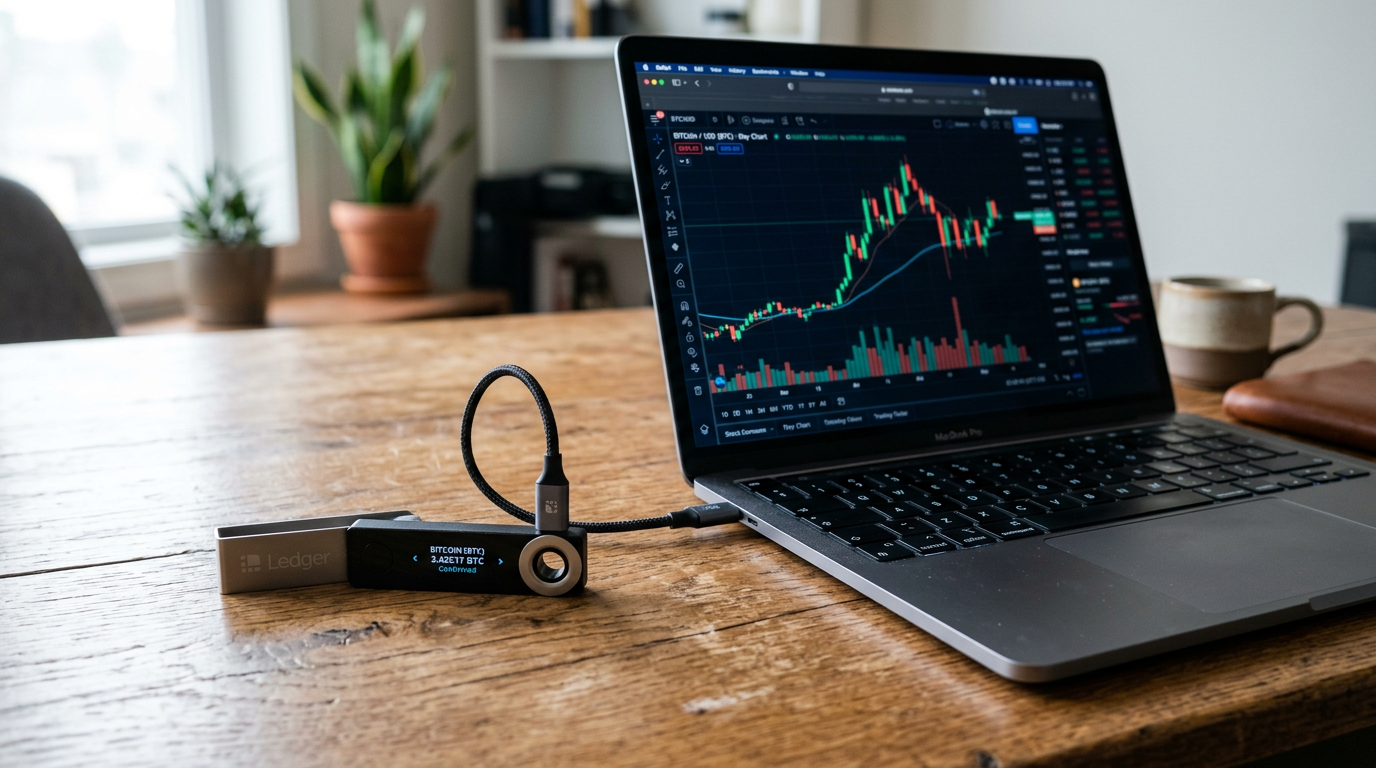
- For beginners: A simple software wallet with a clear interface may be the easiest place to start
- For frequent users: Look for quick access, support for multiple networks, and a smooth mobile experience
- For long-term holders: Consider a wallet that gives you stronger self-custody controls, including offline storage options
, choosing a wallet is one of the most important decisions you can make.
The right wallet depends less on hype and more on how often you plan to use your crypto, how much you want to manage yourself, and how comfortable you are with security steps like backing up a recovery phrase.
→ SocialGood - Crypto Rewards for Shopping - CPS (US) {Mobile} — free, takes about 60 seconds.
In simple terms, a crypto wallet is the tool you use to access and move your digital assets. Some wallets are built for quick, everyday transactions. Others are designed to keep assets offline for stronger security.
Before you pick one, it helps to understand the tradeoffs.
Start with your main use case
The best wallet for you is the one that fits your habits. A person who buys crypto occasionally and leaves it alone has different needs from someone who sends tokens often, uses decentralized apps, or plans to store a larger balance for the long term.
- For beginners: A simple software wallet with a clear interface may be the easiest place to start.
- For frequent users: Look for quick access, support for multiple networks, and a smooth mobile experience.
- For long-term holders: Consider a wallet that gives you stronger self-custody controls, including offline storage options.
- For active traders: Convenience matters, but so does the ability to move assets quickly without confusing steps.
Ask yourself a basic question: will you use this wallet mainly to hold, send, receive, or interact with apps? That answer narrows the field fast.
→ See what you could be approved for — free, takes about 60 seconds.
Understand the main wallet types
Crypto wallets are often grouped into two broad categories: software wallets and hardware wallets. Both can be useful, but they serve different purposes.
Software wallets
These wallets run on your phone, browser, or desktop. They are generally easier to set up and use, which makes them appealing to new crypto users. Because they stay connected to the internet, they are usually more convenient for sending funds or making frequent transactions.


No comments:
Post a Comment