- Buying and selling often: A user-friendly custodial platform may be easier to manage
- Sending small amounts: A simple hot wallet can offer speed and convenience
- Holding for the long term: A cold wallet can provide a stronger separation from everyday internet risks
If you’re new to crypto, the word wallet can sound more complicated than it is. A crypto wallet doesn’t store coins the way a physical wallet stores cash. Instead, it stores the keys that let you access and move your crypto on the blockchain.
Choosing the right one comes down to how much convenience you want, how much control you want, and how you plan to use your crypto day to day.
→ SocialGood - Crypto Rewards for Shopping - CPS (US) {Mobile} — free, takes about 60 seconds.
The best wallet for one person may be the wrong choice for another. A frequent trader, a long-term holder, and someone who only wants to send a small amount to a friend may each need something different.
Here’s how to narrow it down without getting lost in jargon.
Start with the two biggest decisions
Before comparing apps or devices, decide whether you want a custodial or noncustodial wallet, and whether you want a hot or cold wallet.
Custodial vs. noncustodial
We go deeper on this in our crypto guide — worth a read before you decide anything.
With a custodial wallet , a company holds the private keys for you. That can feel easier because account recovery and logins often resemble familiar online banking or investing apps. The tradeoff is that you’re trusting a third party to safeguard your assets.
With a noncustodial wallet , you control the private keys yourself. That gives you more control and reduces reliance on a platform, but it also means you’re responsible for backup, recovery, and security.
→ See what you could be approved for — free, takes about 60 seconds.
Hot vs. cold
Hot wallets are connected to the internet. They’re usually apps or browser extensions and are convenient for frequent transactions.
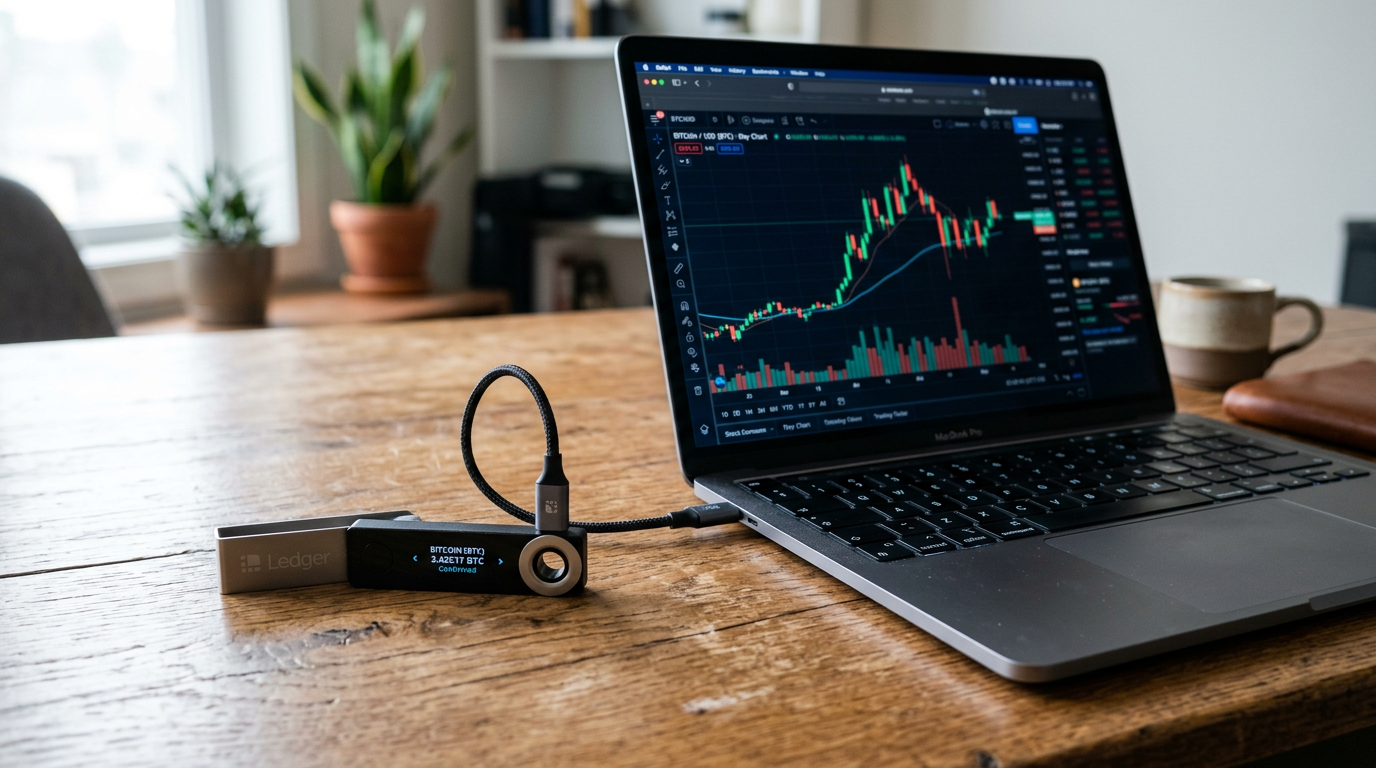
Cold wallets are kept offline, often in the form of a hardware device, and are generally better for storing larger amounts you don’t plan to move often.
For many people, the practical answer is not either/or. A hot wallet may work well for spending or active use, while a cold wallet may make more sense for longer-term storage.
Sources & further reading
- Consumer Financial Protection Bureau (CFPB)
- Federal Trade Commission — Credit & Debt
- MyMoney.gov — U.S. Financial Literacy
- Internal Revenue Service (IRS)
This article is for general information only and is not professional financial, legal, or medical advice.
Dana Whitfield — Personal Finance Editor
Dana has spent more than a decade writing about consumer debt, credit, and everyday money decisions, translating dense policy and lender fine print into plain-English steps readers can actually use. Every figure here is checked against current federal and lender guidance.
✓ Reviewed for accuracy by Marcus Reed, Accredited Financial Counselor · Updated August 2026

No comments:
Post a Comment