Showing posts with label article. Show all posts

Thursday, August 27, 2026

How to Store Crypto Safely: Wallets, Keys, and Recovery

Crypto Basics DailyWallets, security and cutting through the hype
Free — takes 60 seconds
SocialGood - Crypto Rewards for Shopping - CPS (US) {Mobile}
Check availability in your area →
How to Store Crypto Safely: Wallets, Keys, and Recovery
What you need to know
  • Simple setup and everyday convenience
  • Easy access for trading or payments
  • Good for smaller amounts you may need to move quickly

If you own cryptocurrency, the biggest decision is not just what to buy, but how to store it. For many people, the safest setup is the one they understand well enough to use consistently.

That means knowing the difference between wallet types, private keys, and recovery phrases before you move any meaningful amount of crypto.

→ SocialGood - Crypto Rewards for Shopping - CPS (US) {Mobile} — free, takes about 60 seconds.

There is no single best option for everyone. A convenient wallet may be fine for small balances and frequent use, while a more secure setup may make sense for long-term holdings.

The right choice depends on how often you trade, how much access you need, and how comfortable you are managing your own security.

Start with the basics: what a crypto wallet actually does

A crypto wallet does not “store” coins the way a physical wallet holds cash. Instead, it stores the information you need to control your crypto on a blockchain.

In practice, that means a wallet helps you send, receive, and manage assets by using your private key or a secure method of access.

The most important idea is this: whoever controls the private key controls the crypto . If that key is lost, stolen, or exposed, you may lose access to your funds.

If you use an exchange account or app, the platform may hold the keys for you, which is convenient but adds another layer of risk.

See what you qualify for
Free to check and it will not affect anything on your end.
SocialGood - Crypto Rewards for Shopping - CPS (US) {Mobile} →

We go deeper on this in our crypto guide — worth a read before you decide anything.

Hot wallets vs. cold wallets

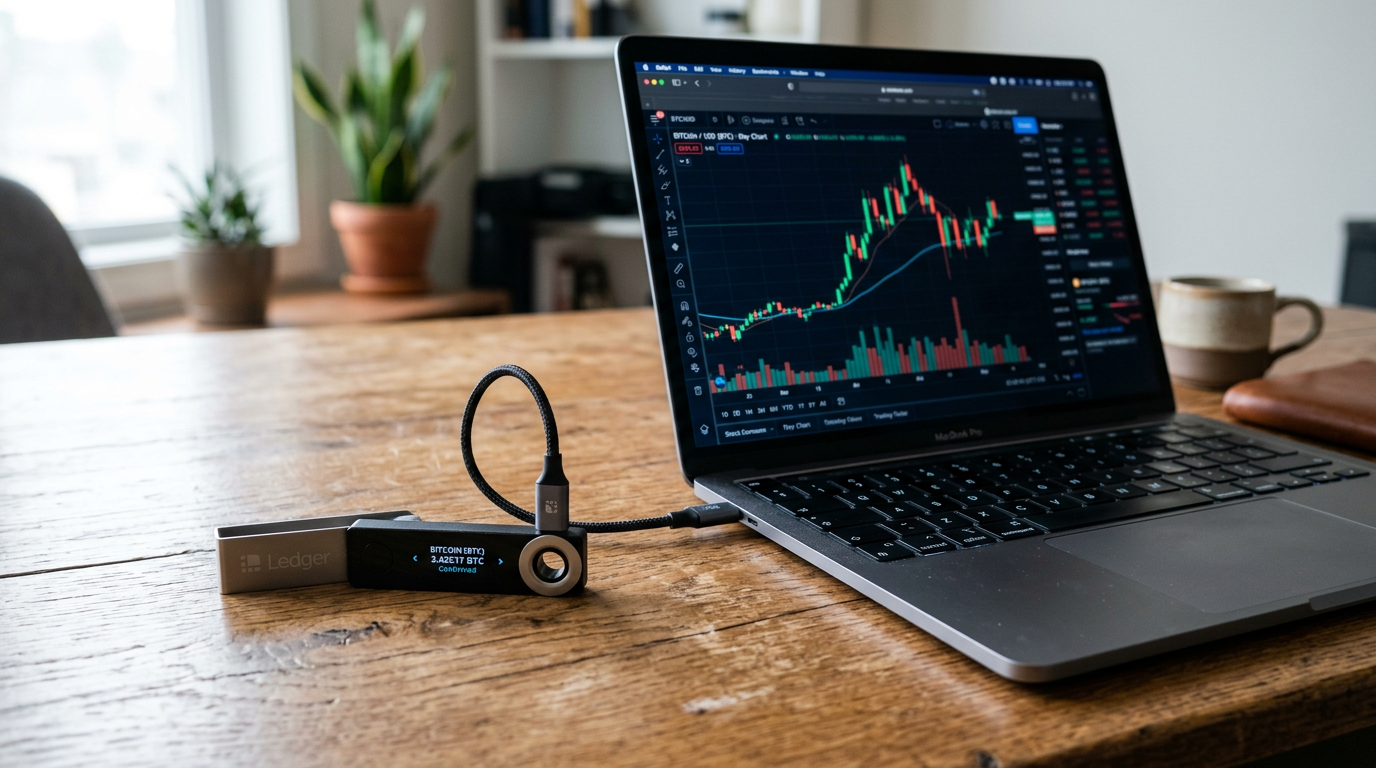
Most crypto storage options fall into two broad categories: hot wallets and cold wallets. The difference is whether the wallet is connected to the internet.

→ See what you could be approved for — free, takes about 60 seconds.

Hot wallets

Hot wallets are software-based and connected online. They may be built into a crypto exchange, mobile app, browser extension, or desktop app. They are useful for frequent transactions because they are easy to access and typically quick to use.

Pros of hot wallets include:

  • Simple setup and everyday convenience
  • Easy access for trading or payments
  • Good for smaller amounts you may need to move quickly

Trade-offs to consider:

  • Greater exposure to phishing, malware, and account takeover
  • Security depends heavily on your device and login habits
  • Platform risk if a custodial provider is involved
How to Store Crypto Safely: Wallets, Keys, and Recovery
Free 4-page PDF · no charge

The 60-Second Oral Health Self-Check

Seven signs, sixty seconds, and a clear rule for which ones mean you call the dentist this week rather than next year.

  • The seven-point mirror check, in order
  • What bleeding on brushing actually indicates
  • The gum-line change most people miss for years

Download the free guide

Printable. Nothing to buy to read it.

Sources & further reading

This article is for general information only and is not professional financial, legal, or medical advice.

DW

Dana Whitfield — Personal Finance Editor

Dana has spent more than a decade writing about consumer debt, credit, and everyday money decisions, translating dense policy and lender fine print into plain-English steps readers can actually use. Every figure here is checked against current federal and lender guidance.

✓ Reviewed for accuracy by Marcus Reed, Accredited Financial Counselor · Updated August 2026

Check your options free
Takes under a minute. No cost to look.
SocialGood - Crypto Rewards for Shopping - CPS (US) {Mobile} →

How to Choose a Crypto Wallet That Fits Your Security Needs

Crypto Basics DailyWallets, security and cutting through the hype
Free — takes 60 seconds
SocialGood - Crypto Rewards for Shopping - CPS (US) {Mobile}
Check availability in your area →
How to Choose a Crypto Wallet That Fits Your Security Needs
What you need to know
  • Software wallets live on your phone, browser, or desktop and are generally easier for everyday use
  • Hardware wallets store keys on a dedicated device and are often used for stronger long-term security
  • Paper or seed phrase backups are not wallets by themselves, but they are part of the recovery process for many noncustodial setups

Choosing a crypto wallet is less about finding the “best” one and more about finding the one that fits how you plan to use your coins. Some people want quick access for trading or spending. Others care most about keeping assets under their own control.

The right wallet depends on your balance of security, convenience, and responsibility.

→ SocialGood - Crypto Rewards for Shopping - CPS (US) {Mobile} — free, takes about 60 seconds.

If you are new to crypto, the variety of wallet types can feel confusing. But once you understand the main trade-offs, it becomes much easier to narrow your options.

The key question is not just what a wallet can do, but what risks you are willing to manage.

Start with the main wallet types

Crypto wallets are usually grouped into two broad categories: custodial and noncustodial . A custodial wallet is managed by a company, exchange, or platform that holds the keys on your behalf.

A noncustodial wallet gives you direct control of the private keys, which means you are responsible for protecting access.

Within those categories, you will also see different formats:

See what you qualify for
Free to check and it will not affect anything on your end.
SocialGood - Crypto Rewards for Shopping - CPS (US) {Mobile} →

We go deeper on this in what to look at first — worth a read before you decide anything.

  • Software wallets live on your phone, browser, or desktop and are generally easier for everyday use.
  • Hardware wallets store keys on a dedicated device and are often used for stronger long-term security.
  • Paper or seed phrase backups are not wallets by themselves, but they are part of the recovery process for many noncustodial setups.

There is no universal winner. A software wallet may be fine for modest amounts you use regularly. A hardware wallet may make more sense if you want to reduce online exposure for holdings you plan to keep for a while.

→ See what you could be approved for — free, takes about 60 seconds.

Decide what matters most: access or control

Most wallet decisions come down to a simple trade-off. The easier a wallet is to use, the more likely it may be tied to a service that also controls some of the security process.

The more control you have, the more carefully you need to manage recovery information and device security.

If you want convenience

A custodial wallet or exchange-linked wallet may be simpler for beginners. It can be easier to log in, buy crypto, and recover access if you forget a password.

For people who trade frequently or only keep a small amount on hand, that convenience may outweigh the downside.

How to Choose a Crypto Wallet That Fits Your Security Needs
Free 6-page PDF · no charge

The AI Side-Hustle Starter Kit

Pick one lane, let AI do the heavy lifting, and get your first sale — the honest starter map, minus the guru hype.

  • The six real work-from-home lanes — and how to pick ONE
  • Where AI actually saves you hours (and where it does not)
  • The first-sale checklist that beats "more research"

Download the free guide

Printable. Nothing to buy to read it.

Sources & further reading

This article is for general information only and is not professional financial, legal, or medical advice.

DW

Dana Whitfield — Personal Finance Editor

Dana has spent more than a decade writing about consumer debt, credit, and everyday money decisions, translating dense policy and lender fine print into plain-English steps readers can actually use. Every figure here is checked against current federal and lender guidance.

✓ Reviewed for accuracy by Marcus Reed, Accredited Financial Counselor · Updated August 2026

Check your options free
Takes under a minute. No cost to look.
SocialGood - Crypto Rewards for Shopping - CPS (US) {Mobile} →

How to Choose a Crypto Exchange in the U.S.

Crypto Basics DailyWallets, security and cutting through the hype
Free — takes 60 seconds
SocialGood - Crypto Rewards for Shopping - CPS (US) {Mobile}
Check availability in your area →
How to Choose a Crypto Exchange in the U.S.
What you need to know
  • Do I want to buy and hold, or trade often?
  • Do I need a simple app or advanced charts and order types?
  • Will I pay with a bank transfer, debit card, or another method?

If you’re buying crypto for the first time, the exchange you choose matters as much as the coins you buy. Fees, security tools, payment methods, and even the app experience can all affect how easy—and how costly—it is to get started.

The best exchange is not always the cheapest one or the one with the most coins; it’s the one that fits your goals and comfort level.

→ SocialGood - Crypto Rewards for Shopping - CPS (US) {Mobile} — free, takes about 60 seconds.

Start with what you actually want to do

Before comparing platforms, decide how you plan to use one. A casual buyer who wants to purchase bitcoin once a month has different needs from someone who wants to trade frequently or move assets into a wallet right away.

Ask yourself a few basic questions:

  • Do I want to buy and hold, or trade often?
  • Do I need a simple app or advanced charts and order types?
  • Will I pay with a bank transfer, debit card, or another method?
  • Do I care more about low fees, strong security, or a wide selection of coins?

These answers help narrow the field quickly. Many exchanges look similar at first glance, but the right fit often depends on how hands-on you plan to be.

See what you qualify for
Free to check and it will not affect anything on your end.
SocialGood - Crypto Rewards for Shopping - CPS (US) {Mobile} →

We go deeper on this in the full breakdown here — worth a read before you decide anything.

Compare the fee structure, not just the headline rate

Crypto exchanges often advertise low fees, but the real cost can depend on how you fund the account and how you place the order. For example, a platform may charge one fee for bank transfers and a different one for debit card purchases.

→ See what you could be approved for — free, takes about 60 seconds.

Trading fees can also vary based on whether you place a simple buy order or use a more advanced order type.

Look for the full picture:

  • Deposit and withdrawal fees: Some methods cost more than others.
  • Trading fees: Check both maker and taker fees if you plan to trade actively.
  • Spread: The difference between the buy and sell price can add to your cost even when the posted fee looks low.
  • Network fees: Moving crypto off the platform may involve blockchain fees that change with network activity.

A platform that looks inexpensive on paper may end up costing more if its spreads are wider or if it charges extra for common funding methods. Read the fee schedule carefully, and look for details on the exact transaction types you expect to use.

Security should be a top priority

How to Choose a Crypto Exchange in the U.S.
Free 5-page PDF · no charge

Is Solar Actually Worth It? The Payback Worksheet

Four inputs, one calculation, and an honest answer about whether solar pays for itself on your roof.

  • The four numbers that decide your payback period
  • Why the quoted savings figure is almost always optimistic
  • Lease vs. loan vs. cash, compared honestly

Download the free guide

Printable. Nothing to buy to read it.

Sources & further reading

This article is for general information only and is not professional financial, legal, or medical advice.

DW

Dana Whitfield — Personal Finance Editor

Dana has spent more than a decade writing about consumer debt, credit, and everyday money decisions, translating dense policy and lender fine print into plain-English steps readers can actually use. Every figure here is checked against current federal and lender guidance.

✓ Reviewed for accuracy by Marcus Reed, Accredited Financial Counselor · Updated August 2026

Check your options free
Takes under a minute. No cost to look.
SocialGood - Crypto Rewards for Shopping - CPS (US) {Mobile} →

How to Choose a Crypto Exchange if You’re New to Investing

Crypto Basics DailyWallets, security and cutting through the hype
Free — takes 60 seconds
SocialGood - Crypto Rewards for Shopping - CPS (US) {Mobile}
Check availability in your area →
How to Choose a Crypto Exchange if You’re New to Investing
What you need to know
  • A simpler sign-up and identity verification process
  • Customer support if something goes wrong
  • Access to bank transfers, debit cards, or other familiar payment methods

If you’re new to crypto, the hardest part is often not deciding whether to buy—it’s choosing where to buy.

Crypto exchanges can look similar at first glance, but the details behind fees, security, supported coins, and withdrawal rules can make a big difference in your experience.

→ SocialGood - Crypto Rewards for Shopping - CPS (US) {Mobile} — free, takes about 60 seconds.

The best exchange for one person may be a poor fit for another. A beginner who wants a simple mobile app may care most about ease of use, while a more active trader may prioritize lower trading fees and advanced order types.

Before opening an account, it helps to compare a few core features side by side.

Start with the basics: what kind of exchange do you need?

Most U.S. consumers use one of two broad types of platforms. A centralized exchange is run by a company that handles account setup, deposits, trades, and withdrawals. A decentralized exchange lets users trade directly through blockchain-based software, usually without a traditional account.

For most beginners, a centralized exchange is the more practical starting point because it usually offers:

See what you qualify for
Free to check and it will not affect anything on your end.
SocialGood - Crypto Rewards for Shopping - CPS (US) {Mobile} →

We go deeper on this in how crypto actually works — worth a read before you decide anything.

  • A simpler sign-up and identity verification process
  • Customer support if something goes wrong
  • Access to bank transfers, debit cards, or other familiar payment methods
  • A more straightforward interface for buying and selling

Decentralized exchanges can be useful for experienced users who want more control, but they often require a separate wallet and more technical know-how. If you’re just learning, it’s usually wise to compare centralized exchanges first.

→ See what you could be approved for — free, takes about 60 seconds.

Look closely at fees, but don’t stop at the headline number

Fees are one of the most common reasons people switch exchanges, but they can be easy to misread. A platform may advertise “low fees” while also charging more for funding an account, using a debit card, or making a quick trade through a simplified interface.

When comparing exchanges, check for these common charges:

  • Trading fees for buying or selling crypto
  • Spread , which is the difference between the price you see and the price you actually get
  • Deposit fees for bank transfers, debit cards, or other payment methods
  • Withdrawal fees when moving crypto to a personal wallet

A useful habit is to review the exchange’s fee page and then test how it works with a small transaction. The total cost may depend on whether you use the basic interface or a more advanced trading screen.

How to Choose a Crypto Exchange if You’re New to Investing
Free 5-page PDF · no charge

The Brain Fog Elimination Checklist

Nine causes of brain fog in the order worth ruling out — starting with the four that are free to fix.

  • The four free things to rule out first
  • The bloodwork worth asking for
  • Why afternoon fog and all-day fog have different causes

Download the free guide

Printable. Nothing to buy to read it.

Sources & further reading

This article is for general information only and is not professional financial, legal, or medical advice.

DW

Dana Whitfield — Personal Finance Editor

Dana has spent more than a decade writing about consumer debt, credit, and everyday money decisions, translating dense policy and lender fine print into plain-English steps readers can actually use. Every figure here is checked against current federal and lender guidance.

✓ Reviewed for accuracy by Marcus Reed, Accredited Financial Counselor · Updated August 2026

Check your options free
Takes under a minute. No cost to look.
SocialGood - Crypto Rewards for Shopping - CPS (US) {Mobile} →

Friday, August 21, 2026

How to Choose a Crypto Wallet Without Overcomplicating It

Crypto Basics DailyWallets, security and cutting through the hype
Free — takes 60 seconds
SocialGood - Crypto Rewards for Shopping - CPS (US) {Mobile}
Check availability in your area →
How to Choose a Crypto Wallet Without Overcomplicating It
What you need to know
  • Buying and selling often: A user-friendly custodial platform may be easier to manage
  • Sending small amounts: A simple hot wallet can offer speed and convenience
  • Holding for the long term: A cold wallet can provide a stronger separation from everyday internet risks

If you’re new to crypto, the word wallet can sound more complicated than it is. A crypto wallet doesn’t store coins the way a physical wallet stores cash. Instead, it stores the keys that let you access and move your crypto on the blockchain.

Choosing the right one comes down to how much convenience you want, how much control you want, and how you plan to use your crypto day to day.

→ SocialGood - Crypto Rewards for Shopping - CPS (US) {Mobile} — free, takes about 60 seconds.

The best wallet for one person may be the wrong choice for another. A frequent trader, a long-term holder, and someone who only wants to send a small amount to a friend may each need something different.

Here’s how to narrow it down without getting lost in jargon.

Start with the two biggest decisions

Before comparing apps or devices, decide whether you want a custodial or noncustodial wallet, and whether you want a hot or cold wallet.

Custodial vs. noncustodial

See what you qualify for
Free to check and it will not affect anything on your end.
SocialGood - Crypto Rewards for Shopping - CPS (US) {Mobile} →

We go deeper on this in our crypto guide — worth a read before you decide anything.

With a custodial wallet , a company holds the private keys for you. That can feel easier because account recovery and logins often resemble familiar online banking or investing apps. The tradeoff is that you’re trusting a third party to safeguard your assets.

With a noncustodial wallet , you control the private keys yourself. That gives you more control and reduces reliance on a platform, but it also means you’re responsible for backup, recovery, and security.

→ See what you could be approved for — free, takes about 60 seconds.

Hot vs. cold

Hot wallets are connected to the internet. They’re usually apps or browser extensions and are convenient for frequent transactions.

Cold wallets are kept offline, often in the form of a hardware device, and are generally better for storing larger amounts you don’t plan to move often.

For many people, the practical answer is not either/or. A hot wallet may work well for spending or active use, while a cold wallet may make more sense for longer-term storage.

How to Choose a Crypto Wallet Without Overcomplicating It
Free 5-page PDF · no charge

The Debt Payoff Worksheet That Actually Gets Used

One page, four columns, and the order of operations that decides whether a payoff plan finishes or fizzles.

  • The four columns — and why most trackers have too many
  • Snowball vs. avalanche, settled honestly
  • The step before either method that most people skip

Download the free guide

Printable. Nothing to buy to read it.

Sources & further reading

This article is for general information only and is not professional financial, legal, or medical advice.

DW

Dana Whitfield — Personal Finance Editor

Dana has spent more than a decade writing about consumer debt, credit, and everyday money decisions, translating dense policy and lender fine print into plain-English steps readers can actually use. Every figure here is checked against current federal and lender guidance.

✓ Reviewed for accuracy by Marcus Reed, Accredited Financial Counselor · Updated August 2026

Check your options free
Takes under a minute. No cost to look.
SocialGood - Crypto Rewards for Shopping - CPS (US) {Mobile} →

Thursday, August 20, 2026

How to Choose a Crypto Wallet for Everyday Use

Crypto Basics DailyWallets, security and cutting through the hype
Free — takes 60 seconds
SocialGood - Crypto Rewards for Shopping - CPS (US) {Mobile}
Check availability in your area →
How to Choose a Crypto Wallet for Everyday Use
What you need to know
  • Frequent transactions: Look for fast app access, clear fee estimates, and simple send/receive tools
  • Long-term storage: Focus on security, recovery options, and whether you want your keys offline
  • DeFi or NFT use: Make sure the wallet works with the networks and apps you use most

If you own crypto, choosing a wallet is less about finding the “best” one and more about finding the one that fits your habits. Some people want quick access for trading, others want stronger security for long-term holding, and many need a little of both.

The right choice usually comes down to how often you move funds, how much control you want, and how comfortable you are managing your own backup process.

→ SocialGood - Crypto Rewards for Shopping - CPS (US) {Mobile} — free, takes about 60 seconds.

S. readers, one important distinction is whether the wallet is custodial or self-custody . A custodial wallet is managed by a company, while a self-custody wallet puts you in charge of your private keys.

Neither is automatically better in every case, but they solve different problems. Before you pick one, it helps to understand the trade-offs.

Start with how you plan to use crypto

The best wallet for an active trader is not necessarily the best wallet for someone buying and holding for years. Start by asking what you need the wallet to do day to day.

  • Frequent transactions: Look for fast app access, clear fee estimates, and simple send/receive tools.
  • Long-term storage: Focus on security, recovery options, and whether you want your keys offline.
  • DeFi or NFT use: Make sure the wallet works with the networks and apps you use most.
  • Mobile convenience: If you mostly manage crypto on your phone, choose an app with a clean interface and strong device security.
See what you qualify for
Free to check and it will not affect anything on your end.
SocialGood - Crypto Rewards for Shopping - CPS (US) {Mobile} →

If your answer is “a little of everything,” you may need two wallets: one for everyday use and one for storage. That approach can reduce the risk of keeping all of your assets in one place.

Custodial vs. self-custody: know the difference

→ See what you could be approved for — free, takes about 60 seconds.

This is one of the most important choices in crypto wallet shopping. With a custodial wallet, a platform holds the keys for you. That can make logging in and recovering access easier, but it also means you rely on the platform’s security and policies.

With a self-custody wallet, you control the keys. That gives you more independence, but it also means you are responsible for protecting your recovery phrase and avoiding mistakes like sending funds to the wrong address.

If you lose access to your recovery information, you may lose access to the wallet.

For many people, the deciding factor is not ideology. It is confidence. If you are likely to forget a backup step or need frequent customer help, a custodial option may feel more practical.

How to Choose a Crypto Wallet for Everyday Use
Free 5-page PDF · no charge

The Debt Payoff Worksheet That Actually Gets Used

One page, four columns, and the order of operations that decides whether a payoff plan finishes or fizzles.

  • The four columns — and why most trackers have too many
  • Snowball vs. avalanche, settled honestly
  • The step before either method that most people skip

Download the free guide

Printable. Nothing to buy to read it.

Check your options free
Takes under a minute. No cost to look.
SocialGood - Crypto Rewards for Shopping - CPS (US) {Mobile} →

Wednesday, August 19, 2026

How to Choose a Crypto Exchange for Everyday Use

Crypto Basics DailyWallets, security and cutting through the hype
Free — takes 60 seconds
SocialGood - Crypto Rewards for Shopping - CPS (US) {Mobile}
Check availability in your area →
How to Choose a Crypto Exchange for Everyday Use
What you need to know
  • Do I want to buy and hold, or trade more often?
  • Do I want a mobile app that’s easy to use, or a platform with more features?
  • Will I need access to many cryptocurrencies, or just a few major ones?

If you’re looking for a crypto exchange, the hardest part is often not opening an account — it’s deciding which platform actually fits how you plan to use crypto. Some exchanges are built for beginners who want a simple buy-and-sell experience.

Others prioritize advanced trading tools, lower costs for high-volume users, or access to a wider set of coins. The right choice depends on what you want to do, how often you’ll trade, and how much control you want over your assets.

→ SocialGood - Crypto Rewards for Shopping - CPS (US) {Mobile} — free, takes about 60 seconds.

Before you compare platforms, it helps to separate marketing language from practical features. A good exchange should make it easy to move money in and out, understand your costs, and manage risk.

It should also give you confidence that your account is protected if something goes wrong.

Start with your actual use case

Not every crypto buyer needs the same type of exchange. If you only plan to buy a small amount of bitcoin or ethereum occasionally, simplicity may matter more than advanced order types.

If you want to trade more actively, you may care more about charting tools, order books, and lower trading fees.

Ask yourself a few basic questions:

See what you qualify for
Free to check and it will not affect anything on your end.
SocialGood - Crypto Rewards for Shopping - CPS (US) {Mobile} →
  • Do I want to buy and hold, or trade more often?
  • Do I want a mobile app that’s easy to use, or a platform with more features?
  • Will I need access to many cryptocurrencies, or just a few major ones?
  • Do I care about staking, recurring buys, or other built-in features?

Your answers can quickly narrow the field. A beginner-friendly app can be a better fit than a more complex platform if your goal is simply to get started and stay organized.

→ See what you could be approved for — free, takes about 60 seconds.

Compare the real costs, not just the headline fee

Crypto exchanges often advertise low trading fees, but that’s only one part of the total cost.

Depending on the platform, you may also encounter spreads, deposit and withdrawal charges, network fees, or higher costs when you use a simple “buy now” interface instead of a more advanced trading screen.

When you compare exchanges, look for the following:

  • Trading fees: What do you pay when you buy or sell?
  • Spread: How much extra cost is built into the quoted price?
  • Deposit options: Can you fund your account by bank transfer, debit card, or other methods?
  • Withdrawal fees: What does it cost to move cash or crypto out of the platform?
How to Choose a Crypto Exchange for Everyday Use
Free 6-page PDF · no charge

The AI Side-Hustle Starter Kit

Pick one lane, let AI do the heavy lifting, and get your first sale — the honest starter map, minus the guru hype.

  • The six real work-from-home lanes — and how to pick ONE
  • Where AI actually saves you hours (and where it does not)
  • The first-sale checklist that beats "more research"

Download the free guide

Printable. Nothing to buy to read it.

Check your options free
Takes under a minute. No cost to look.
SocialGood - Crypto Rewards for Shopping - CPS (US) {Mobile} →