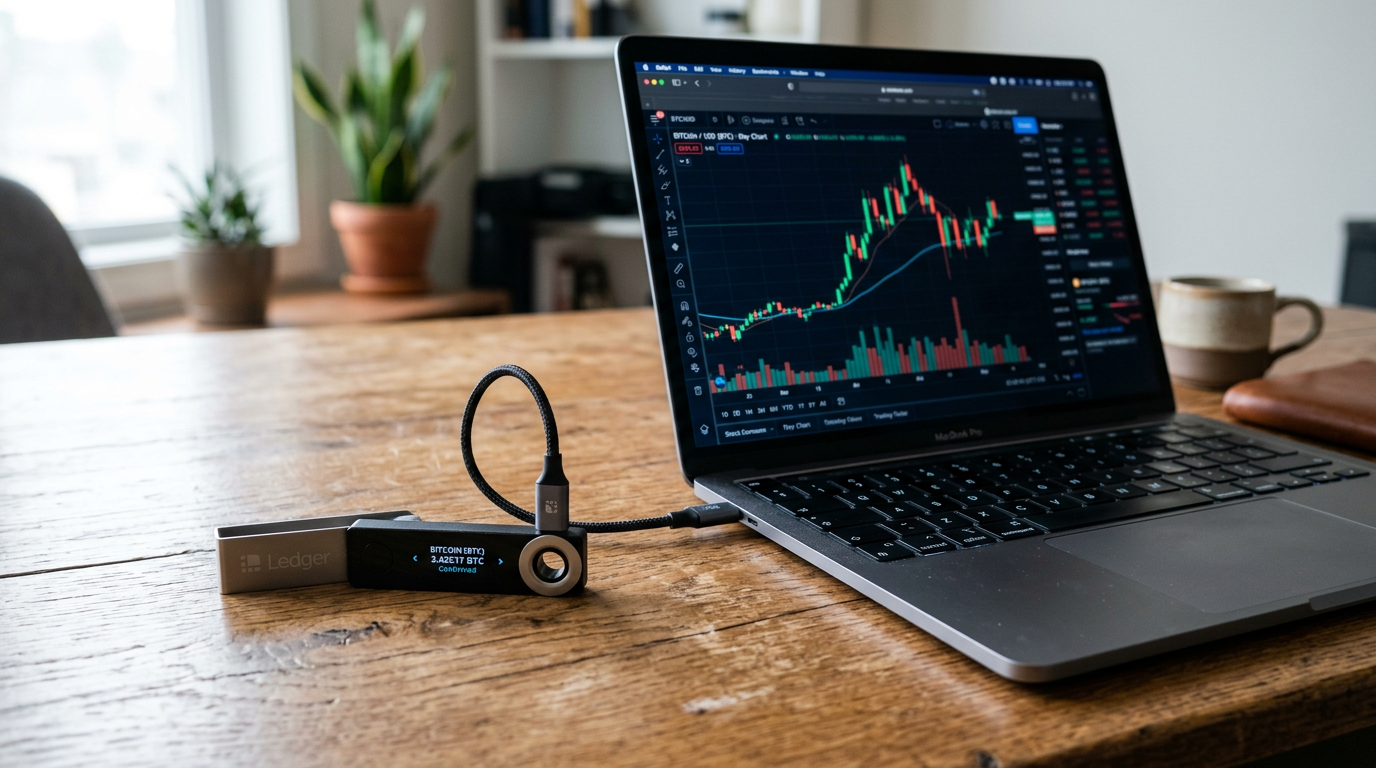
- The first mistake many people make is choosing the wrong wallet—and that can make a simple phone loss turn into a real money loss
- Here’s the difference between hot and cold storage
- A hot wallet is connected to the internet
HOOK
Thinking about buying crypto? The first mistake many people make is choosing the wrong wallet—and that can make a simple phone loss turn into a real money loss. Here’s the difference between hot and cold storage.
→ SocialGood - Crypto Rewards for Shopping - CPS (US) {Mobile} — free, takes about 60 seconds.
KEY POINT 1
We go deeper on this in this rundown — worth a read before you decide anything.
A hot wallet is connected to the internet. It’s convenient for small amounts, fast transfers, and everyday use—but that online connection also makes it easier to attack.
KEY POINT 2
→ See what you could be approved for — free, takes about 60 seconds.
A cold wallet stays offline, usually on a hardware device or even paper backup. That makes it much harder for hackers to reach, so it’s better for larger holdings you don’t plan to move often.
Sources & further reading
- Consumer Financial Protection Bureau (CFPB)
- Federal Trade Commission — Credit & Debt
- MyMoney.gov — U.S. Financial Literacy
- Internal Revenue Service (IRS)
This article is for general information only and is not professional financial, legal, or medical advice.
Dana Whitfield — Personal Finance Editor
Dana has spent more than a decade writing about consumer debt, credit, and everyday money decisions, translating dense policy and lender fine print into plain-English steps readers can actually use. Every figure here is checked against current federal and lender guidance.
✓ Reviewed for accuracy by Marcus Reed, Accredited Financial Counselor · Updated August 2026
