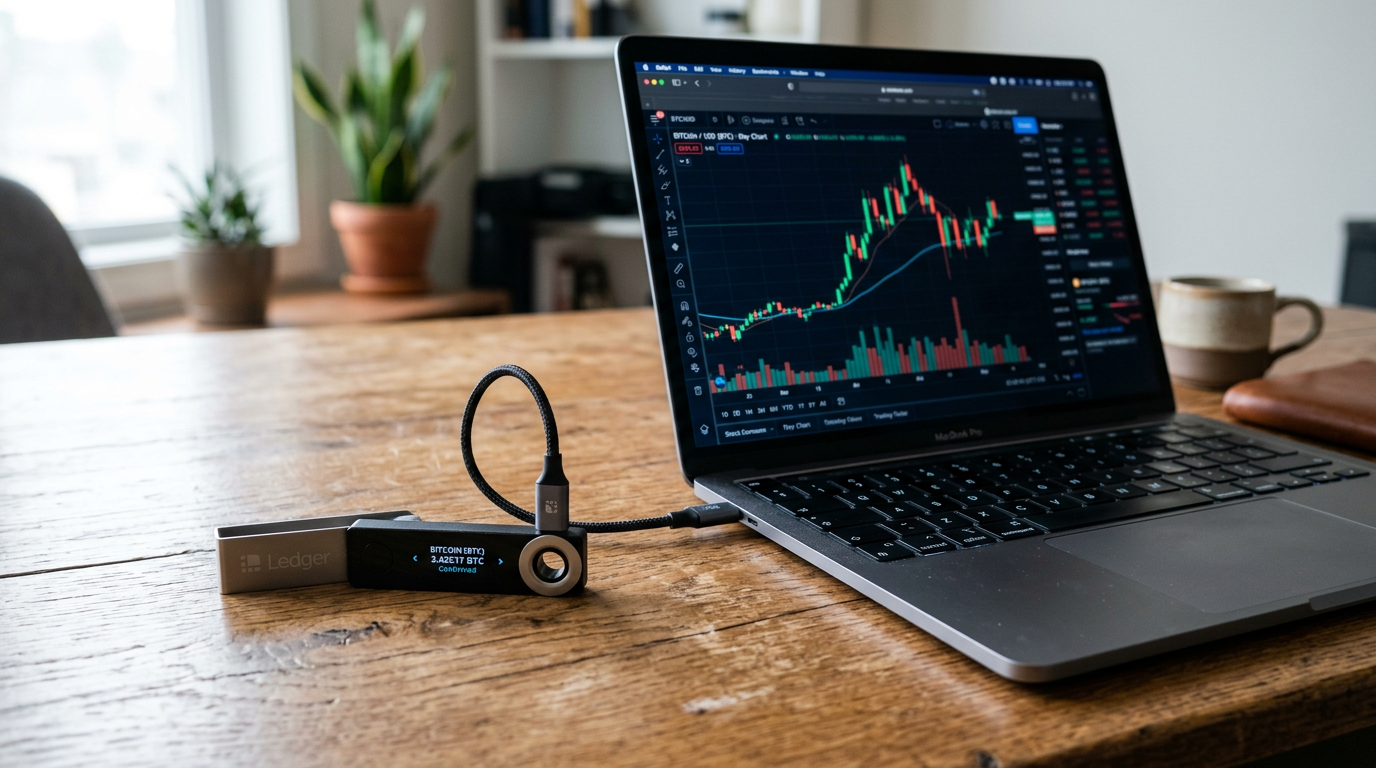
- Two-factor authentication for logins and withdrawals
- Withdrawal allowlists that limit transfers to approved addresses
- Device and session management so you can review where your account is signed in
If you’re buying crypto for the first time, the hardest part is often not choosing a coin — it’s choosing the place you’ll buy it. A good exchange can make it easier to fund an account, place orders, and manage your assets.
A poor fit can mean confusing fees, limited coin selection, or security tools that don’t match your needs.
→ SocialGood - Crypto Rewards for Shopping - CPS (US) {Mobile} — free, takes about 60 seconds.
This guide walks through the main things U.S. readers should compare before opening a crypto exchange account, so you can focus on the features that matter most for your situation.
Start with security and account protection
Security should be your first filter. No exchange is risk-free, but some offer stronger account protections and more transparent controls than others.
Look for a platform that explains how it stores customer assets, what security steps it uses, and what protections apply to your cash balance versus your crypto holdings.
Useful features to compare include:
- Two-factor authentication for logins and withdrawals
- Withdrawal allowlists that limit transfers to approved addresses
- Device and session management so you can review where your account is signed in
- Cold storage practices for a large share of customer assets
Also check whether the exchange has a clear process for account recovery if you lose access. A platform can look polished and still be frustrating if its security tools are hard to use or difficult to find.
Compare fees the right way
→ See what you could be approved for — free, takes about 60 seconds.
Crypto exchange fees can be easy to misunderstand because they may appear in several places. A platform might advertise a low trading fee, but the total cost can still be higher once you include spreads, funding charges, or network withdrawal fees.
That’s why it helps to look beyond the headline number.
When comparing exchanges, review these fee categories:
- Trading fees for market and limit orders
- Spread , especially on simple buy/sell screens
- Deposit fees for bank transfers, debit cards, or wire transfers
- Withdrawal fees for moving cash or crypto out of the platform
It can also help to think about how you plan to use the account. If you’ll make occasional purchases and hold for the long term, one fee structure may be fine.
If you expect to trade more often, a platform with better order tools and clearer pricing may matter more than a slightly nicer app interface.


No comments:
Post a Comment