Sunday, August 16, 2026

How to Pick a Safe Crypto Exchange in the U.S.

Crypto Basics DailyWallets, security and cutting through the hype
Free — takes 60 seconds
SocialGood - Crypto Rewards for Shopping - CPS (US) {Mobile}
Check availability in your area →
How to Pick a Safe Crypto Exchange in the U.S.
What you need to know
  • Two-factor authentication for logins and withdrawals
  • Withdrawal allowlists that limit transfers to approved addresses
  • Device and session management so you can review where your account is signed in

If you’re buying crypto for the first time, the hardest part is often not choosing a coin — it’s choosing the place you’ll buy it. A good exchange can make it easier to fund an account, place orders, and manage your assets.

A poor fit can mean confusing fees, limited coin selection, or security tools that don’t match your needs.

SocialGood - Crypto Rewards for Shopping - CPS (US) {Mobile} — free, takes about 60 seconds.

This guide walks through the main things U.S. readers should compare before opening a crypto exchange account, so you can focus on the features that matter most for your situation.

Start with security and account protection

Security should be your first filter. No exchange is risk-free, but some offer stronger account protections and more transparent controls than others.

Look for a platform that explains how it stores customer assets, what security steps it uses, and what protections apply to your cash balance versus your crypto holdings.

Useful features to compare include:

  • Two-factor authentication for logins and withdrawals
  • Withdrawal allowlists that limit transfers to approved addresses
  • Device and session management so you can review where your account is signed in
  • Cold storage practices for a large share of customer assets
See what you qualify for
Free to check and it will not affect anything on your end.
SocialGood - Crypto Rewards for Shopping - CPS (US) {Mobile} →

Also check whether the exchange has a clear process for account recovery if you lose access. A platform can look polished and still be frustrating if its security tools are hard to use or difficult to find.

Compare fees the right way

See what you could be approved for — free, takes about 60 seconds.

Crypto exchange fees can be easy to misunderstand because they may appear in several places. A platform might advertise a low trading fee, but the total cost can still be higher once you include spreads, funding charges, or network withdrawal fees.

That’s why it helps to look beyond the headline number.

When comparing exchanges, review these fee categories:

  • Trading fees for market and limit orders
  • Spread , especially on simple buy/sell screens
  • Deposit fees for bank transfers, debit cards, or wire transfers
  • Withdrawal fees for moving cash or crypto out of the platform

It can also help to think about how you plan to use the account. If you’ll make occasional purchases and hold for the long term, one fee structure may be fine.

If you expect to trade more often, a platform with better order tools and clearer pricing may matter more than a slightly nicer app interface.

How to Pick a Safe Crypto Exchange in the U.S.
Free 5-page PDF · no charge

The Debt Payoff Worksheet That Actually Gets Used

One page, four columns, and the order of operations that decides whether a payoff plan finishes or fizzles.

  • The four columns — and why most trackers have too many
  • Snowball vs. avalanche, settled honestly
  • The step before either method that most people skip

Download the free guide

Printable. Nothing to buy to read it.

Check your options free
Takes under a minute. No cost to look.
SocialGood - Crypto Rewards for Shopping - CPS (US) {Mobile} →

Friday, August 14, 2026

How to Store Crypto Safely Without Overcomplicating It

Crypto Basics DailyWallets, security and cutting through the hype
Free — takes 60 seconds
SocialGood - Crypto Rewards for Shopping - CPS (US) {Mobile}
Check availability in your area →
How to Store Crypto Safely Without Overcomplicating It
What you need to know
  • Exchange wallet: Your crypto stays on a platform such as a trading exchange
  • Software wallet: A mobile, desktop, or browser wallet that you control
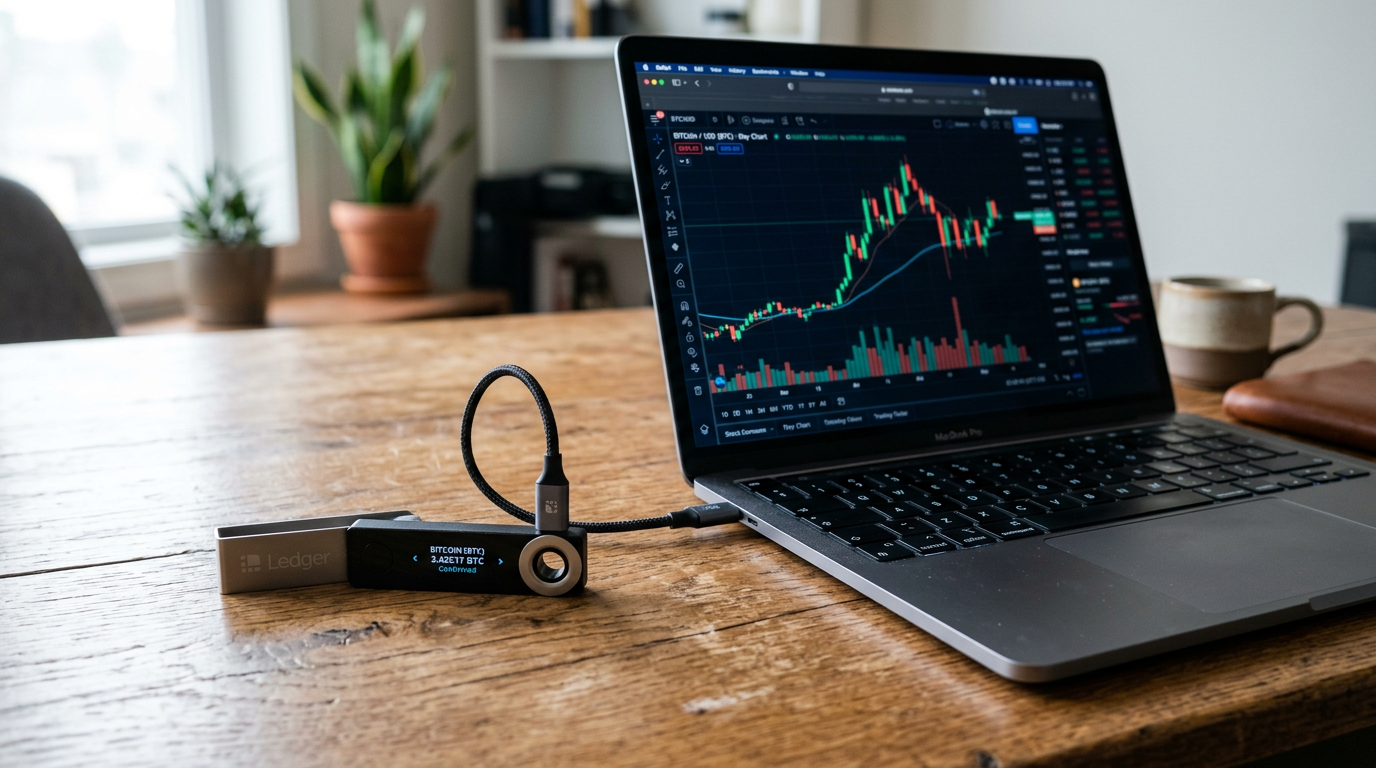
  • Hardware wallet: A physical device that keeps private keys offline

If you buy crypto and plan to hold it, one of the first practical questions is where to keep it. ” It depends on how often you trade, how much you hold, and how comfortable you are managing security yourself.

S. readers, the best approach is to match the storage method to the job: keep active trading funds accessible, keep longer-term holdings more protected, and avoid putting all your assets in one place.

SocialGood - Crypto Rewards for Shopping - CPS (US) {Mobile} — free, takes about 60 seconds.

Below is a plain-English guide to the main options and what each is good for.

What “storing crypto” actually means

Crypto is stored on the blockchain, but access to it is controlled by private keys. Whoever controls the keys can move the funds.

That is why wallet choice matters so much: it is less about “holding” coins and more about protecting the keys that control them.

There are three common ways everyday users store crypto:

  • Exchange wallet: Your crypto stays on a platform such as a trading exchange.
  • Software wallet: A mobile, desktop, or browser wallet that you control.
  • Hardware wallet: A physical device that keeps private keys offline.

Each option has trade-offs in convenience, control, and risk.

Exchange wallets: easiest, but least control

See what you qualify for
Free to check and it will not affect anything on your end.
SocialGood - Crypto Rewards for Shopping - CPS (US) {Mobile} →

An exchange wallet is the simplest option if you buy and sell frequently. You log in, trade, and leave funds on the platform. That convenience is the main reason many beginners start here.

The drawback is that you do not directly control the private keys. If the exchange has an outage, limits withdrawals, or suffers a security problem, you may face delays or exposure.

See what you could be approved for — free, takes about 60 seconds.

That does not mean every exchange is unsafe, but it does mean you are trusting a third party with custody.

Exchange storage can make sense when you:

  • Trade often and want quick access to funds
  • Plan to move crypto out later, but not immediately
  • Prefer a simpler setup over self-custody

Even then, it is wise not to leave more on an exchange than you need for near-term use.

Software wallets: a middle ground for active users

Software wallets give you more control than an exchange while staying relatively easy to use. They can be useful for sending crypto, using decentralized apps, or keeping moderate amounts in a wallet you manage yourself.

Because software wallets live on internet-connected devices, they are more exposed to phishing, malware, and fake wallet apps. The wallet itself may be legitimate, but the user is often the weakest link. A stolen password or a bad approval click can create problems fast.

How to Store Crypto Safely Without Overcomplicating It
Check your options free
Takes under a minute. No cost to look.
SocialGood - Crypto Rewards for Shopping - CPS (US) {Mobile} →

Thursday, August 13, 2026

How to Choose a Crypto Exchange in the U.S.

Crypto Basics DailyWallets, security and cutting through the hype
Free — takes 60 seconds
SocialGood - Crypto Rewards for Shopping - CPS (US) {Mobile}
Check availability in your area →
How to Choose a Crypto Exchange in the U.S.
What you need to know
  • Occasional buyer: You may want a simple app with clear pricing and an easy cash-out process
  • Long-term holder: Security, transfer options, and withdrawal controls may matter more than trading bells and whistles
  • Active trader: Look for lower trading costs, better charting tools, and order types such as limit orders

If you are buying crypto for the first time, the hardest part is often not choosing a coin but choosing where to buy it.

A crypto exchange can affect what you can trade, what you pay in fees, and how easily you can move your assets later. S. readers, the best choice is usually the platform that fits your goals, risk tolerance, and comfort level with account security.

SocialGood - Crypto Rewards for Shopping - CPS (US) {Mobile} — free, takes about 60 seconds.

Start with how you plan to use the exchange

Not every platform serves the same purpose. Some are built for simple buy-and-hold investing, while others are designed for active trading, advanced order types, or access to a wider range of tokens. Before comparing features, decide what you actually need.

  • Occasional buyer: You may want a simple app with clear pricing and an easy cash-out process.
  • Long-term holder: Security, transfer options, and withdrawal controls may matter more than trading bells and whistles.
  • Active trader: Look for lower trading costs, better charting tools, and order types such as limit orders.
  • Altcoin explorer: Check whether the exchange supports the specific assets you want to buy.

It is easy to overpay for features you will never use. A straightforward platform can be a better fit than a more complex one if your goal is simply to buy Bitcoin or Ethereum and hold it.

Compare the real costs, not just the headline fee

See what you qualify for
Free to check and it will not affect anything on your end.
SocialGood - Crypto Rewards for Shopping - CPS (US) {Mobile} →

Crypto exchanges may advertise low fees, but the total cost of a trade can include several moving parts. Some platforms charge a visible trading fee.

Others build more of the cost into the spread, which is the difference between the buy and sell price you are offered.

See what you could be approved for — free, takes about 60 seconds.

Watch for these common costs

  • Trading fees: The direct charge for placing a buy or sell order.
  • Spread: The price difference between what you pay and the market price.
  • Deposit and withdrawal fees: Fees for moving money in or out of your account.
  • Conversion fees: Extra charges if you swap one crypto asset for another.

Fee structures can be hard to compare because they are not always presented the same way. An exchange with a low posted trading fee may still cost more overall if it uses a wide spread or higher withdrawal charges.

Read the fee schedule carefully, especially if you plan to transfer assets to a personal wallet or move money back to a bank account often.

How to Choose a Crypto Exchange in the U.S.
Check your options free
Takes under a minute. No cost to look.
SocialGood - Crypto Rewards for Shopping - CPS (US) {Mobile} →

How to Choose a Crypto Wallet for Everyday Use

Crypto Basics DailyWallets, security and cutting through the hype
Free — takes 60 seconds
SocialGood - Crypto Rewards for Shopping - CPS (US) {Mobile}
Check availability in your area →
How to Choose a Crypto Wallet for Everyday Use
What you need to know
  • Choose custodial storage if convenience and simple recovery matter most
  • Choose self-custody if you want direct control and are willing to manage backups carefully
  • Use both if you want a practical split between spending money and longer-term holdings

If you buy crypto, one of the first choices you’ll face is where to keep it. A wallet isn’t just a place to “store coins”; it’s the tool that lets you access and move your assets.

The right choice depends on how often you trade, how much security you want, and how comfortable you are managing your own recovery information.

SocialGood - Crypto Rewards for Shopping - CPS (US) {Mobile} — free, takes about 60 seconds.

For many people, the smartest approach is not asking which wallet is “best” overall, but which one fits the way you actually use crypto.

A wallet that feels simple for daily spending may not be ideal for long-term holdings, and a highly secure setup can be inconvenient if you need frequent access. Below, we break down the main wallet types and the features that matter most.

Start with the three main wallet types

Before comparing brands, it helps to understand the broad categories. In crypto, “wallet” can mean different things depending on who controls the private keys and how the wallet connects to the internet.

See what you qualify for
Free to check and it will not affect anything on your end.
SocialGood - Crypto Rewards for Shopping - CPS (US) {Mobile} →

Hot wallets

Hot wallets are connected to the internet. They are usually offered as mobile apps, desktop software, or browser extensions. Because they’re easy to access, they’re popular for everyday activity like sending crypto, swapping tokens, or interacting with decentralized apps.

See what you could be approved for — free, takes about 60 seconds.

The tradeoff is security. Any wallet that stays online can be more exposed to phishing, malware, or account takeover if you are not careful with device security and backups.

Cold wallets

Cold wallets are designed to keep private keys offline, often through a hardware device. They are commonly used for long-term storage or larger balances because they reduce exposure to online threats.

You still need to protect the device and your recovery phrase, but the setup is generally more resistant to remote attacks than a hot wallet.

How to Choose a Crypto Wallet for Everyday Use
Check your options free
Takes under a minute. No cost to look.
SocialGood - Crypto Rewards for Shopping - CPS (US) {Mobile} →

How to Choose a Crypto Wallet for Everyday Use

Crypto Basics DailyWallets, security and cutting through the hype
Free — takes 60 seconds
SocialGood - Crypto Rewards for Shopping - CPS (US) {Mobile}
Check availability in your area →
How to Choose a Crypto Wallet for Everyday Use
What you need to know
  • Private key control: Check whether you control the private keys or whether a third party does
  • Seed phrase backup: Make sure the wallet gives you a recovery phrase and clear instructions for storing it safely
  • Two-factor authentication: Extra login protection is useful, especially for app-based wallets and exchange-linked accounts

If you own crypto, one of the first decisions you need to make is where to keep it. A crypto wallet is not just an app; it is the tool that lets you store, send, and receive digital assets.

The right choice depends on how often you trade, how much security you want, and whether you prefer convenience or control.

SocialGood - Crypto Rewards for Shopping - CPS (US) {Mobile} — free, takes about 60 seconds.

For many people, the best wallet is not the one with the most features. It is the one that matches how they actually use crypto.

If you only buy occasionally and hold long term, your needs are different from someone who moves coins between exchanges or uses decentralized apps.

Start with the basic wallet types

Before comparing brands, it helps to understand the main categories. Most wallets fall into one of two groups: hot wallets and cold wallets .

See what you qualify for
Free to check and it will not affect anything on your end.
SocialGood - Crypto Rewards for Shopping - CPS (US) {Mobile} →

Hot wallets

Hot wallets stay connected to the internet. They are usually apps, browser extensions, or exchange wallets. They are convenient for everyday transactions, but that convenience comes with more exposure to online threats.

See what you could be approved for — free, takes about 60 seconds.

Cold wallets

Cold wallets keep your private keys offline, often through a hardware device or paper-based backup method. They are generally better suited for long-term storage because they reduce your online attack surface, though they are less convenient for frequent transfers.

For some users, the decision is simple: keep a small amount in a hot wallet for spending and the rest in cold storage. That approach can balance access and protection without overcomplicating things.

How to Choose a Crypto Wallet for Everyday Use
Check your options free
Takes under a minute. No cost to look.
SocialGood - Crypto Rewards for Shopping - CPS (US) {Mobile} →

How to Choose a Crypto Wallet for Everyday Use

Crypto Basics DailyWallets, security and cutting through the hype
Free — takes 60 seconds
SocialGood - Crypto Rewards for Shopping - CPS (US) {Mobile}
Check availability in your area →
How to Choose a Crypto Wallet for Everyday Use
What you need to know
  • Custodial wallets can be easier for beginners and are often linked to exchanges or trading platforms
  • Self-custody wallets can offer more direct control and are often preferred by users who want to move crypto between apps or hold assets long term
  • Hardware wallets are a form of self-custody that store keys offline and are often used for larger balances or long-term holding

If you own crypto, your wallet choice affects more than where your coins are stored. It shapes how quickly you can trade, how easy it is to use apps and exchanges, and how much control you have over your assets.

For many people, the best wallet is not the most feature-packed one — it is the one that matches their habits and comfort level.

SocialGood - Crypto Rewards for Shopping - CPS (US) {Mobile} — free, takes about 60 seconds.

Before you choose, it helps to understand the trade-off at the center of every wallet decision: convenience versus control. A wallet that is easy to use may depend on a third party.

A wallet that gives you more control may ask you to manage private keys, recovery phrases, and extra security steps on your own.

Start with the type of wallet you need

The first comparison is simple: custodial versus self-custody . In a custodial wallet, a company holds the keys for you. In a self-custody wallet, you control the keys and are responsible for protecting them.

Each option fits a different type of user:

  • Custodial wallets can be easier for beginners and are often linked to exchanges or trading platforms.
  • Self-custody wallets can offer more direct control and are often preferred by users who want to move crypto between apps or hold assets long term.
  • Hardware wallets are a form of self-custody that store keys offline and are often used for larger balances or long-term holding.
  • Mobile and browser wallets are usually more convenient for frequent transactions, but they can be more exposed to device and phishing risks.
See what you qualify for
Free to check and it will not affect anything on your end.
SocialGood - Crypto Rewards for Shopping - CPS (US) {Mobile} →

If your main goal is to buy a small amount of crypto and leave it on a platform, a custodial wallet may be enough.

If you plan to send crypto regularly, use decentralized apps, or hold for the long term, self-custody may be worth the extra responsibility.

See what you could be approved for — free, takes about 60 seconds.

Compare security features, not just brand names

Security is where wallet comparisons become most important. No wallet is risk-free, so look at the protections it actually offers and the protections it expects you to provide.

Useful security features to look for

  • Two-factor authentication for account logins and transfers
  • Biometric login on supported devices
  • Transaction confirmations before funds leave the wallet
  • Backup and recovery tools that are clearly explained

Also pay attention to how the wallet handles recovery. If you lose access, can you restore your funds with a recovery phrase? Does the provider offer account recovery, and if so, what does that process involve?

How to Choose a Crypto Wallet for Everyday Use
Check your options free
Takes under a minute. No cost to look.
SocialGood - Crypto Rewards for Shopping - CPS (US) {Mobile} →

How to Choose a Crypto Wallet That Fits Your Needs

Crypto Basics DailyWallets, security and cutting through the hype
Free — takes 60 seconds
SocialGood - Crypto Rewards for Shopping - CPS (US) {Mobile}
Check availability in your area →
How to Choose a Crypto Wallet That Fits Your Needs
What you need to know
  • Frequent traders: may prefer a hot wallet or exchange wallet for easier access, while understanding the tradeoff in security
  • Long-term holders: often choose cold storage or a hardware wallet to reduce online exposure
  • Beginners: may want a simple custodial wallet first, especially if they are learning how transfers and recovery work

If you own cryptocurrency, one of the most important choices you’ll make is where to keep it. A crypto wallet is not just a place to store coins; it’s the tool that lets you access, send, and manage them.

The right wallet depends on how often you trade, how much control you want, and how comfortable you are with security responsibilities.

SocialGood - Crypto Rewards for Shopping - CPS (US) {Mobile} — free, takes about 60 seconds.

For many readers, the confusing part is that “wallet” can mean several different things. Some wallets are connected to the internet. Some are held by a platform on your behalf. Others put you fully in charge of your keys.

Understanding those differences can help you avoid costly mistakes and choose a setup that matches your needs.

Start with the main wallet types

Crypto wallets generally fall into a few common categories. The names can overlap, but the basic distinctions matter.

See what you qualify for
Free to check and it will not affect anything on your end.
SocialGood - Crypto Rewards for Shopping - CPS (US) {Mobile} →

Hot wallets vs. cold wallets

Hot wallets stay connected to the internet. They are usually convenient for frequent transfers, mobile use, and quick access. That convenience can also create more exposure to phishing, malware, and device compromise.

See what you could be approved for — free, takes about 60 seconds.

Cold wallets keep your private keys offline. Hardware wallets are the most common example. They are typically a better fit for people who want stronger long-term security and do not need to move funds often.

Custodial vs. noncustodial wallets

With a custodial wallet , a company holds the keys for you. This can make setup easier and reduce the burden of self-management, but it also means you are trusting that provider to safeguard access to your funds.

With a noncustodial wallet , you control the keys yourself. That gives you more independence, but it also means you are responsible for backups, recovery steps, and protecting your login methods and seed phrase.

How to Choose a Crypto Wallet That Fits Your Needs
Check your options free
Takes under a minute. No cost to look.
SocialGood - Crypto Rewards for Shopping - CPS (US) {Mobile} →