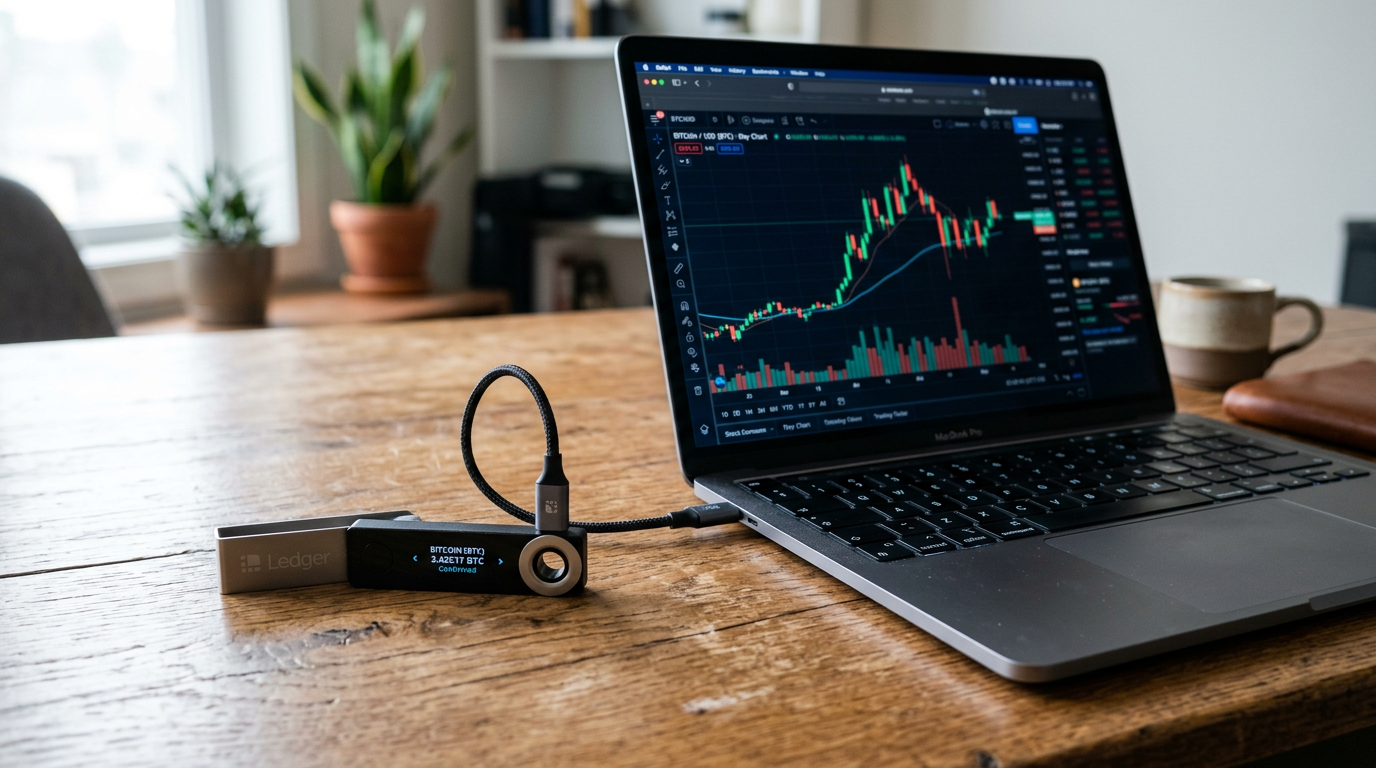
- Frequent transactions: Look for fast app access, clear fee estimates, and simple send/receive tools
- Long-term storage: Focus on security, recovery options, and whether you want your keys offline
- DeFi or NFT use: Make sure the wallet works with the networks and apps you use most
If you own crypto, choosing a wallet is less about finding the “best” one and more about finding the one that fits your habits. Some people want quick access for trading, others want stronger security for long-term holding, and many need a little of both.
The right choice usually comes down to how often you move funds, how much control you want, and how comfortable you are managing your own backup process.
→ SocialGood - Crypto Rewards for Shopping - CPS (US) {Mobile} — free, takes about 60 seconds.
S. readers, one important distinction is whether the wallet is custodial or self-custody . A custodial wallet is managed by a company, while a self-custody wallet puts you in charge of your private keys.
Neither is automatically better in every case, but they solve different problems. Before you pick one, it helps to understand the trade-offs.
Start with how you plan to use crypto
The best wallet for an active trader is not necessarily the best wallet for someone buying and holding for years. Start by asking what you need the wallet to do day to day.
- Frequent transactions: Look for fast app access, clear fee estimates, and simple send/receive tools.
- Long-term storage: Focus on security, recovery options, and whether you want your keys offline.
- DeFi or NFT use: Make sure the wallet works with the networks and apps you use most.
- Mobile convenience: If you mostly manage crypto on your phone, choose an app with a clean interface and strong device security.
If your answer is “a little of everything,” you may need two wallets: one for everyday use and one for storage. That approach can reduce the risk of keeping all of your assets in one place.
Custodial vs. self-custody: know the difference
→ See what you could be approved for — free, takes about 60 seconds.
This is one of the most important choices in crypto wallet shopping. With a custodial wallet, a platform holds the keys for you. That can make logging in and recovering access easier, but it also means you rely on the platform’s security and policies.
With a self-custody wallet, you control the keys. That gives you more independence, but it also means you are responsible for protecting your recovery phrase and avoiding mistakes like sending funds to the wrong address.
If you lose access to your recovery information, you may lose access to the wallet.
For many people, the deciding factor is not ideology. It is confidence. If you are likely to forget a backup step or need frequent customer help, a custodial option may feel more practical.


No comments:
Post a Comment